
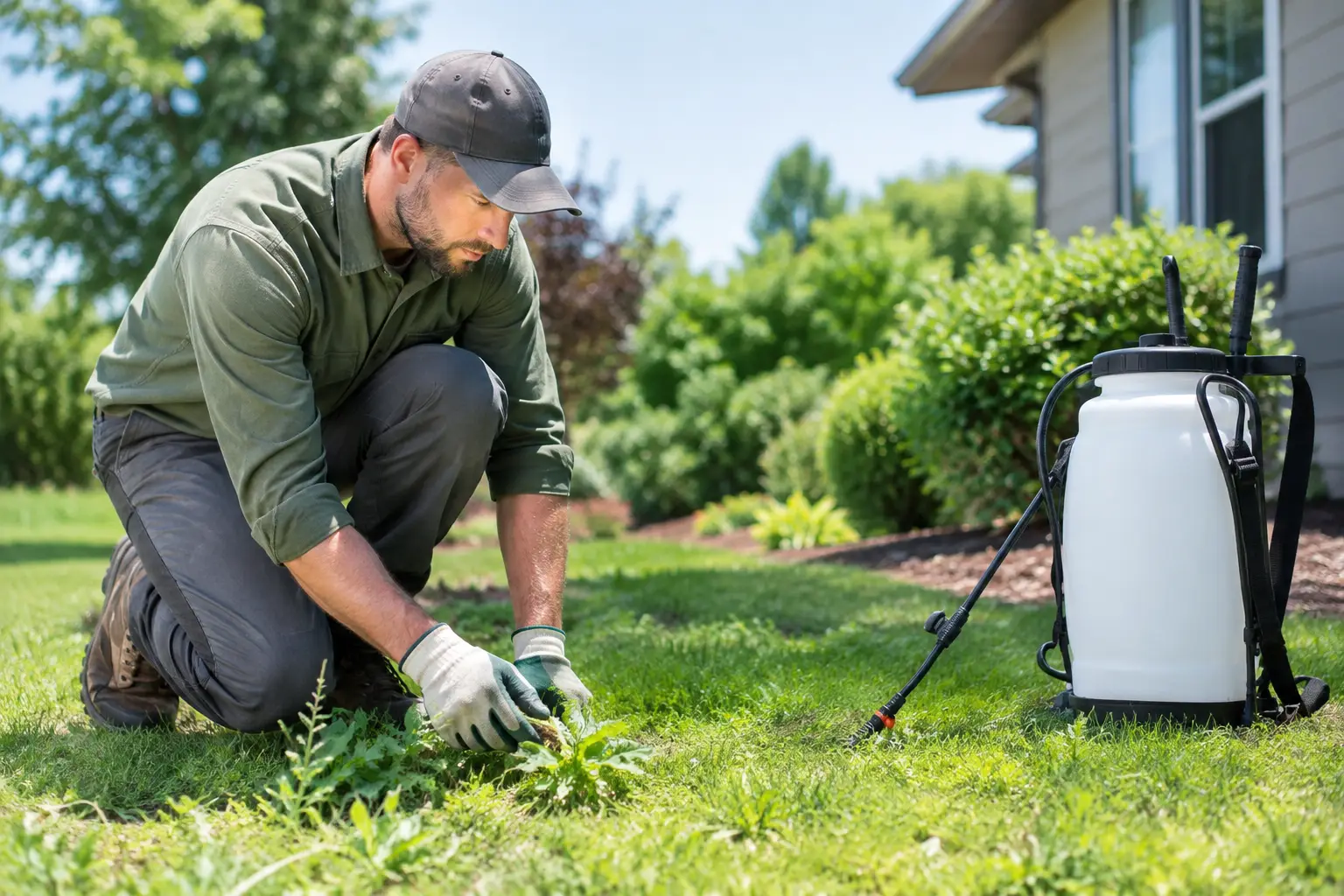
A weed spray job works best before the sprayer arrives, not after. Taking a little time to prepare property for weed spraying helps the treatment reach the weeds, protects the plants you want to keep, and avoids wasted time around clutter, pets, or blocked access. It does not need to be a major project. For most homes, a quick walk around the yard is enough.
Whether you are dealing with weeds pushing through a driveway, an overgrown fence line, or garden beds that have got away on you, preparation makes the work safer and more effective. It also helps keep the job straightforward, which is exactly what most busy households, renters, and landlords need.
Why preparation makes a difference
Weed spray needs to land on active weed leaves to do its job. If weeds are buried under long grass, covered by rubbish, recently cut down to the ground, or blocked by stacked pots and outdoor gear, there is less leaf surface for the product to reach. That can mean patchy results and weeds returning sooner than expected.
Preparation also makes it easier to avoid accidents. A clearly marked vegetable garden, a covered fish pond, or a pet kept indoors removes guesswork. The goal is not to make your section look perfect before treatment. It is simply to make sure the right areas can be treated safely and properly.
Before you prepare property for weed spraying
Start by deciding what you want treated and what needs to stay untouched. Walk the property slowly, especially around edges that are easy to overlook: beside sheds, under decks, along retaining walls, behind bins, and around clotheslines. These are common places for weeds to build up.
Think about the result you want. Do you want a clear path, a tidier driveway, a manageable fence line, or a weed-free area before a yard cleanup? Being clear about the priority helps avoid spraying plants that may look messy now but are meant to stay.
If you share a boundary with neighbors, check where your property line is. It is better to discuss any weeds creeping along a shared fence than to assume it is fine to treat the other side. The same applies to rental homes. Tenants should check their agreement or speak with the landlord if there is any doubt about garden beds, lawns, or established plants.
Clear access without overdoing it
A spray technician needs a safe, open route to the areas being treated. Move cars away from driveway edges, shift kids’ toys, and clear hoses, bikes, outdoor furniture, and loose rubbish where possible. If a gate is normally locked, make sure access has been arranged.
You do not need to pull every weed first. In fact, pulling them all can defeat the point of booking a spray job. The useful work is removing anything that physically blocks the weeds or creates a trip hazard.
Long grass can be a different situation. If weeds are mixed through a very overgrown lawn or paddock-style area, mowing or weed eating may be needed before spraying. But timing matters. Cutting weeds immediately before treatment leaves very little leaf area for the spray to contact. If mowing is necessary, it is often better to wait until the weeds have put out some fresh growth before spraying. The right approach depends on the weed type and how dense the growth is.
For a property that is badly overgrown, a combined cleanup, weed eating, and follow-up spraying plan may give better value than trying to solve everything in one visit.
Mark the plants you want to protect
Most spray problems come down to simple confusion. Small shrubs, new seedlings, herbs, fruit trees, bulbs, and ground covers can be hard to spot when weeds have grown around them. A quick marker can prevent an expensive mistake.
Use a bright ribbon, plant label, pot, stake, or even a note near the area to show what must not be sprayed. Let the person doing the work know about anything valuable or newly planted. This includes plants that are dormant or bare-looking. Just because a plant has no leaves does not mean it is dead.
Vegetable gardens deserve extra care. If weeds are growing between crops, tell the technician exactly which areas are in use. Usually, hand weeding, mulching, or a carefully targeted method is more suitable than broad spraying close to food plants. The same caution applies around berries, herbs, and fruit trees.
If you are unsure whether something is a weed or a plant you want to keep, take a photo or leave it alone until you can identify it. It is far easier to spray a weed later than replace a plant that was removed by mistake.
Keep pets, children, and animals safe
Before any weed treatment, pick up pet bowls, toys, and feeding stations from the work area. Keep dogs, cats, chickens, and other animals away while spraying is underway. Children should also stay indoors or well clear of the treatment area.
How long to keep people and pets off the area depends on the product used and the label directions. Do not guess based on what happened at another property. Ask for clear instructions before the job starts, especially if your dog runs freely through the yard or your children use the lawn every afternoon.
Fish ponds, bird baths, water features, and outdoor tanks need to be pointed out. Covering a small pond or moving a bird bath before treatment can be sensible, but follow the advice of the person applying the product. Never allow spray or rinse water to enter storm drains, streams, ponds, or waterways.
Pick a sensible day for spraying
Weather can make or break a weed spray job. A dry, calm day is usually best because rain can wash some treatments away before they have time to work, while wind can carry spray onto lawns, gardens, vehicles, or neighboring properties.
You cannot control the forecast, but you can help by not watering the target weeds just before a visit unless you have been asked to. If rain is expected soon, the appointment may need to be moved. That is not someone being difficult. It is a practical call that can save you from paying for a job that will not give a proper result.
Very dry weeds may also respond more slowly because they are stressed and not actively growing. In hot or dry stretches, a good operator may recommend waiting for better conditions or planning a follow-up treatment. Weed control is not always instant, and the most effective choice is sometimes patience.
Do not spray every green thing
A tidy property is not the same as a completely bare property. Before treatment, consider whether a plant is actually causing a problem. Some low-growing plants hold soil in place on banks, while other areas may be better managed with mowing, mulch, or weed eating rather than repeat spraying.
Driveways, paths, fence lines, and around buildings are often clear candidates for weed treatment. Garden beds and lawns need more judgment. Spray that kills broadleaf weeds may damage desirable lawn plants or garden flowers if used in the wrong place. There is no one-size-fits-all product or method.
For recurring weeds, it can help to deal with the reason they keep coming back. Gravel drives may need topping up, garden beds may need mulch, and neglected edges may benefit from regular maintenance. Spraying knocks weeds back, but a simple ongoing plan usually keeps the yard easier to manage and cheaper over time.
Tell the person doing the job what matters
A good handover saves time. When the technician arrives, mention locked gates, delicate plants, pet routines, water features, problem weeds, and any area you do not want treated. If there is a spot where weeds return every few months, point that out too.
You should also be honest about access. If the back yard can only be reached through the house, if the ground is muddy, or if there is an aggressive dog on site, say so before the visit. Clear information helps the work go ahead safely and avoids a wasted call-out.
For Wairarapa homeowners and landlords, regular maintenance can be easier than waiting until weeds are shoulder-high. Stephens to the Rescue can help with practical weed spraying, weed eating, yard cleanups, and green-waste removal, so the whole property does not become a weekend-long job.
After the spray has been applied
Leave treated weeds alone for the period advised. Avoid mowing, weed eating, pulling, or washing down the area too soon, as this can reduce how well the treatment works. Some weeds show signs of dying in a few days, while tougher plants can take longer.
Once the recommended waiting period has passed, you can return pets and normal activity to the area as advised. If dead weeds are left behind, they can be removed during a later cleanup. In some places, leaving them briefly can help you see whether the treatment reached the full area before tidying up.
A little preparation gives a weed spray job the best chance of lasting. Clear the access, point out what you value, keep people and pets safe, and let the weather guide the timing. Then you can spend less time fighting the same patches of weeds and more time enjoying a yard that feels under control.